Neurodiversity Celebration Week 2026

Happy Neurodiversity Celebration Week!
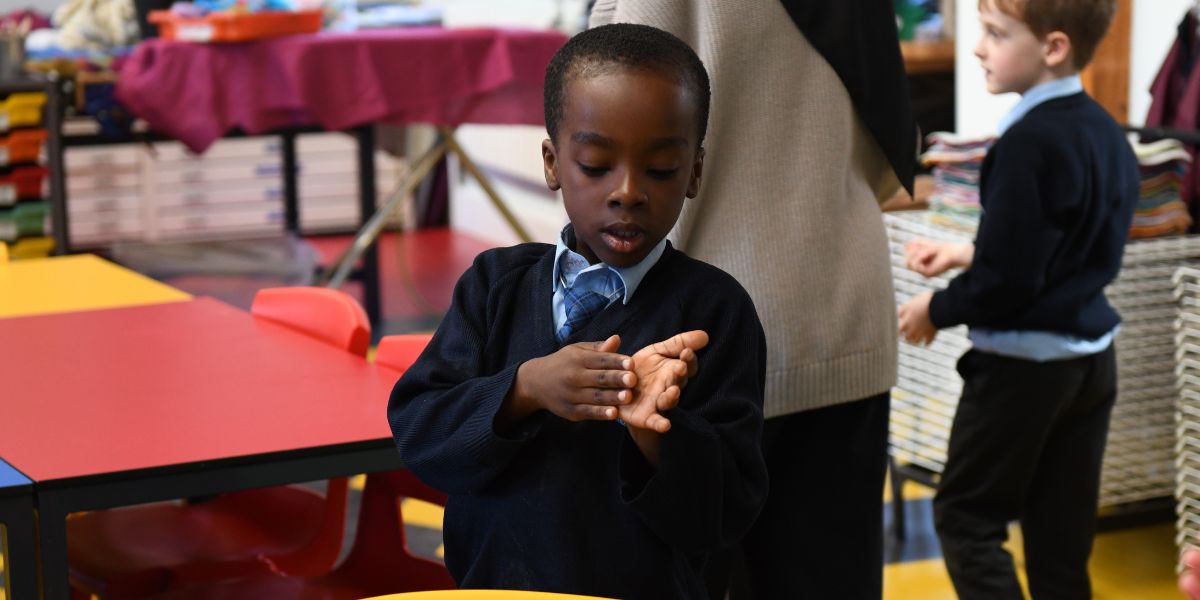
This week, Year 1-6 pupils enjoyed participating in a short Creative Arts activity called ‘The Art of Diversity – Celebrating Different Minds’ with Mrs Price and Mr Ramsell.
Pupils produced beautifully crafted wet-felted wool balls inspired by the work of Reginald Laurent. It was a real joy to see older and younger pupils working alongside one another, with a wonderful sense of encouragement, care and collaboration throughout.
The outcomes have been truly impressive. Each felt ball is unique in its colour, size and texture, reflecting the individuality of each pupil. When brought together, they form a striking collective piece that celebrates the diversity of thought and creativity within our school community.
We were incredibly proud of the pupils’ enthusiasm, focus and craftsmanship, as well as the kindness shown between year groups. It has been a fantastic week, highlighting how different minds can come together to create something meaningful and beautiful.
The Prep Library was decorated and featured a display recommending a whole host of amazing books written by neurodivergent authors and/or that feature neurodivergent characters, which many pupils have enjoyed exploring.
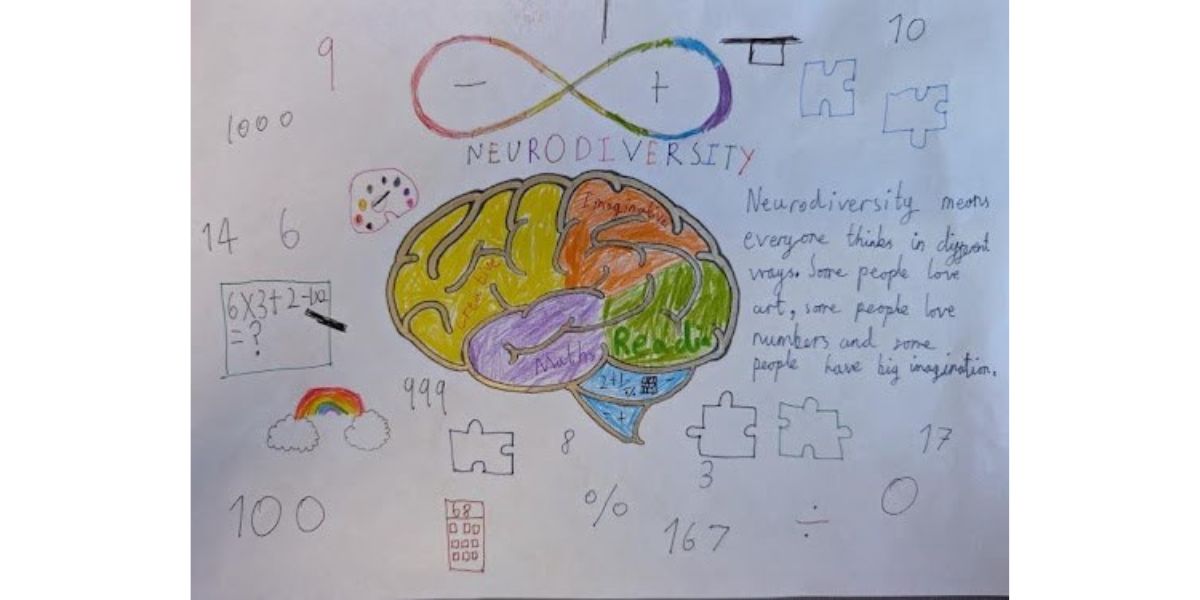
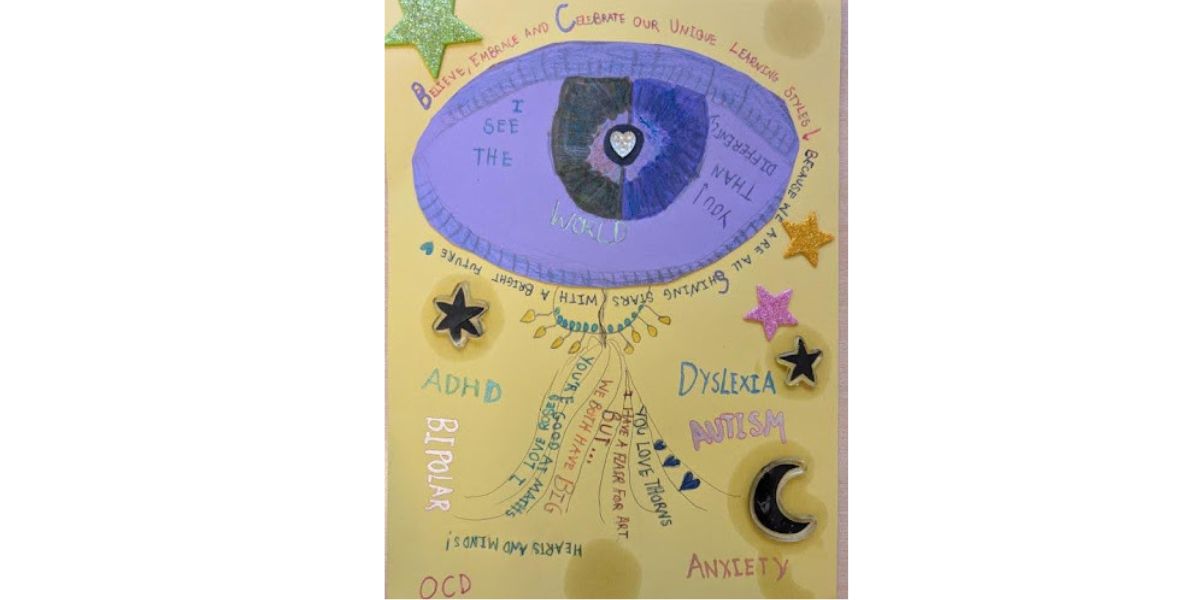
Many pupils also creatively expressed what neurodiversity means to them.
On Wednesday, it was a pleasure to welcome so many of you to our Parent Inclusion Forum event with guest speaker Ed Howard, Occupational Therapist, focused on Sensory Integration. For those who were unable to attend, the core insights from the session are summarised below:
As parents, we often observe behaviours in our children – such as struggling to sit still, heightened anxiety, or meltdowns over seemingly small triggers – that leave us wondering how best to support them. Understanding your child’s sensory world isn’t just about managing behaviour; it is about recognizing how their nervous system experiences the world around them.
What is Sensory Integration?
Pioneered in the 1960s by Dr. Jean Ayres, sensory integration is the neurological process that organises information from our body and the environment through our senses. This process makes it possible for us to engage in everyday activities. When a child’s sensory processing is running smoothly, they receive stimuli, process it, and respond appropriately. However, when there are processing difficulties, it can manifest as challenges with attention, emotional dysregulation, poor social skills, or heightened anxiety levels.
Beyond the Five Senses: The “Big Three”
While we are all familiar with sight, hearing, taste, smell, and touch, occupational therapy frameworks focus heavily on the “Big 3” sensory systems:
The Vestibular System: Located in the inner ear, this allows us to sense body movement, direction, and acceleration. It directly influences balance, arousal regulation, and heavily impacts all the other sensory systems.
The Proprioceptive System: This is our “unconscious body sense”. It provides the brain with continuous information on where our body parts are in space. Engaging this system through “heavy work” (like pushing, pulling, or carrying) generally has a deeply calming effect on a dysregulated nervous system.
Interoception: This is the internal body sense. It governs how we detect internal physiological states, such as temperature, pain, hunger, or needing to use the bathroom.
Finding the “Just Right” Zone
Every child has a different sensory threshold. During the workshop, we explored how children regulate their arousal levels:
Over-Responsive (Low Threshold): These children might be hyper-vigilant, have high arousal, or actively avoid certain textures, sounds, or unpredictable activities.
Under-Responsive (High Threshold): These children may be sensory seeking, actively craving intense sensory input, exhibiting high energy, risk-taking, or a constant need to move.
Our goal, both at home and in the classroom, is to help children find their “Just Right Zone”, where their nervous system is calm, alert, and primed for learning.
Practical Support: The “Sensory Diet”
A key takeaway from the session was the concept of a “Sensory Diet.” This has nothing to do with food! Rather, it is a structured daily routine that incorporates specific sensory strategies to keep a child regulated and in their ‘just right’ zone.
A successful sensory diet includes:
Scheduled Activities: Built-in movement breaks or heavy work (like stair climbing or wall push-ups).
Supportive Leisure: Regular swimming, sports, or simply spending time in nature.
Sensory Snacks: Providing fidget tools or tactile items to help them focus during seated tasks.
Calming Strategies: Creating a small, quiet, contained “safe space” for the child to retreat and regroup when overwhelmed. Using low lighting, relaxation music, or deep breathing can also significantly lower neurological arousal.
When we implement these routines, we often see a beautiful shift: improved self-regulation, a reduction in defensive behaviours, and much more functional participation in play and learning.
For a copy of Ed Howard’s slides from the presentation, please contact Mrs Ashman.