The Importance of Play

How Children Learn, Grow and Thrive Through Play
Nursery Year Group Leader, Melissa Reiner, gave a presentation at the BCS Parents Inclusion Forum in November 2025 on the importance of play in the early years.
Long before children can read, write or sit at a desk, they are learning constantly through play. At The Blue Coat School Birmingham, play is not seen as a break from learning, but as a powerful and essential way children develop socially, emotionally, physically and cognitively.

Learning Begins Before Birth
Children begin learning far earlier than many of us realise. From around 18 weeks of pregnancy, babies can hear sounds, including their mother’s heartbeat. By approximately 30 weeks, they begin to recognise familiar voices and build early sensory memories.
Once born, babies learn through sensory exploration, repetition and social interaction. They watch faces, listen to voices, touch different textures and repeat actions to understand how the world works. During the first two years of life, a child’s brain grows at an extraordinary rate, forming millions of neural connections every second.
Each word they hear, sound they listen to and experience they encounter strengthens these connections. This is how children begin to understand language, linking what they see and do with the words spoken around them. As children move into early childhood, play remains the most effective way they learn, both indoors and outdoors.
What Do We Mean by “Play”?
Before exploring the benefits of play, it is important to understand what play actually is. Play is a universal and instinctive behaviour, observed across cultures and even in other species. It is voluntary, enjoyable and often spontaneous, with no fixed outcome.
Crucially, play is a process, not a product. It evolves with a child’s interests, abilities and social experiences. Play can range from structured games with rules to imaginative, open-ended scenarios where children create their own narratives.
Children move through different stages of play, from:
- Unoccupied play in babies, where they explore body movements
- Solitary and parallel play, playing alongside others
- Cooperative play, where children play together with shared goals and ideas
Each stage plays a vital role in development and reflects fundamental aspects of the human experience.


Play, Relationships and Social Skills
The importance of play is far more significant than “just having fun”. Play is how children learn to build and maintain relationships. Through play, children practise:
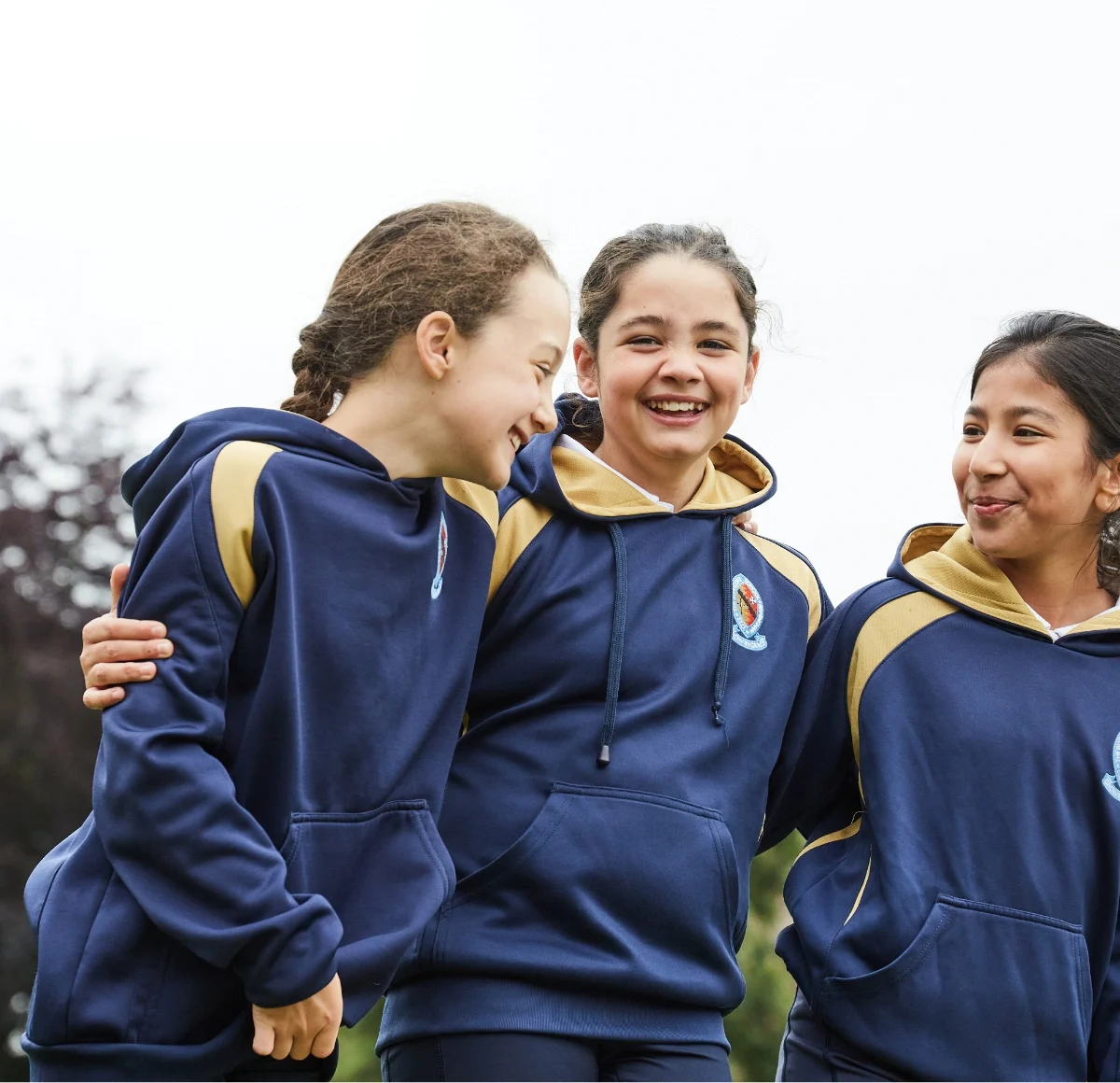
- Sharing and turn-taking
- Cooperation and negotiation
- Understanding others’ perspectives
- Empathy and kindness
Research and observations, such as those highlighted in The Secret Life of Four, Five and Six Year Olds, show how children learn from one another through play. These early experiences form the foundations for healthy relationships later in life, supporting children in managing conflict, working as part of a group and showing compassion.
How Parents Can Support Social Play at Home
Parents can help by:
- Talking openly about feelings
- Using social stories to explore scenarios
- Playing alongside children to model rules and boundaries
- Using visual supports to help children problem-solve and reason
When adults engage sensitively, children feel safe to explore social situations and develop confidence.


Play and Emotional Regulation
Play is a safe and natural space for children to explore, express and regulate their emotions. Through play, children can act out experiences, process feelings and practise coping strategies.
Parents can support emotional regulation through playful activities such as:
- Art and creative play, focusing on the process rather than the finished product
- Emotion charades, acting out different feelings
- Reading and discussing emotion-themed storybooks, linking characters’ feelings to real-life experiences


The Importance of Outdoor Play
Research shows that children aged 5–11 spend around three hours playing each day, but only half of this time is outdoors. Even more strikingly, only around 10% of outdoor play takes place in natural environments, a significant decline compared to previous generations.
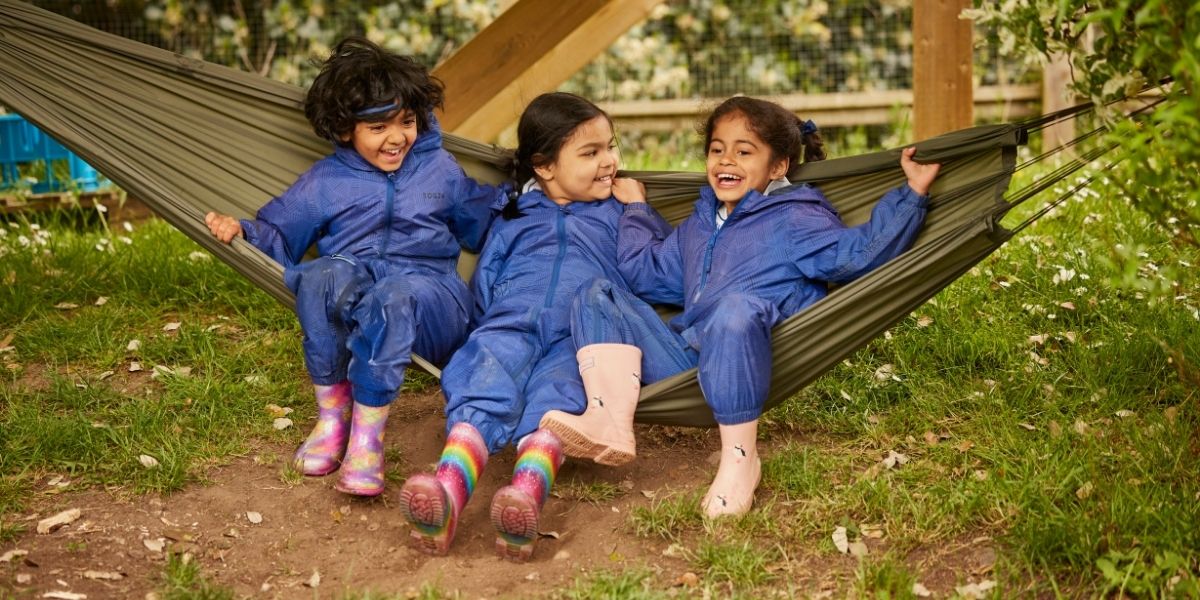
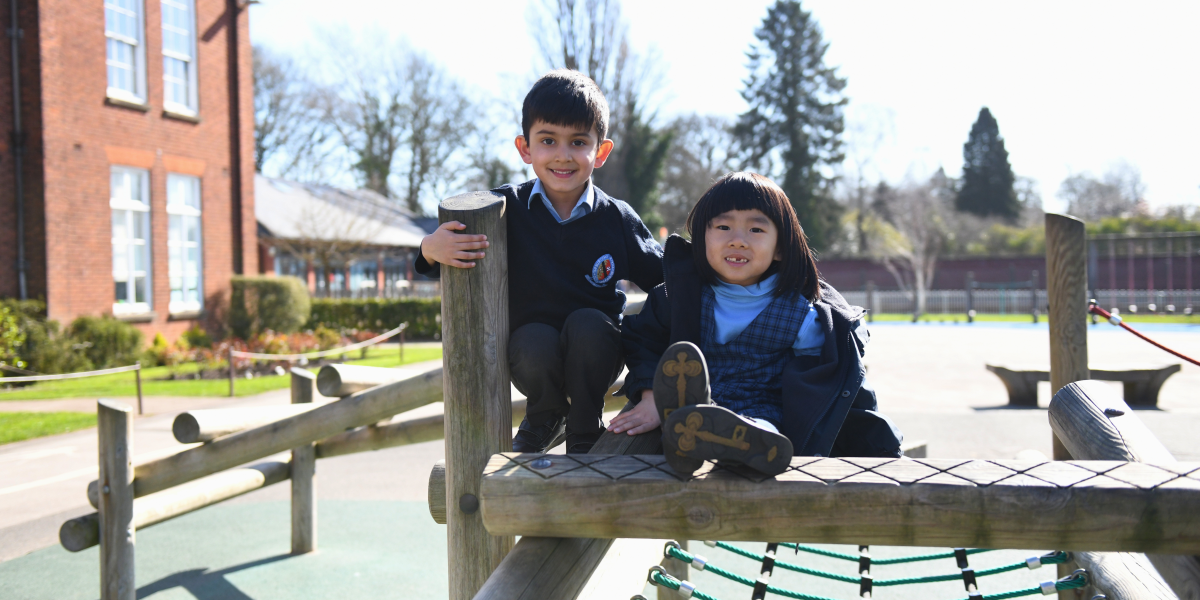
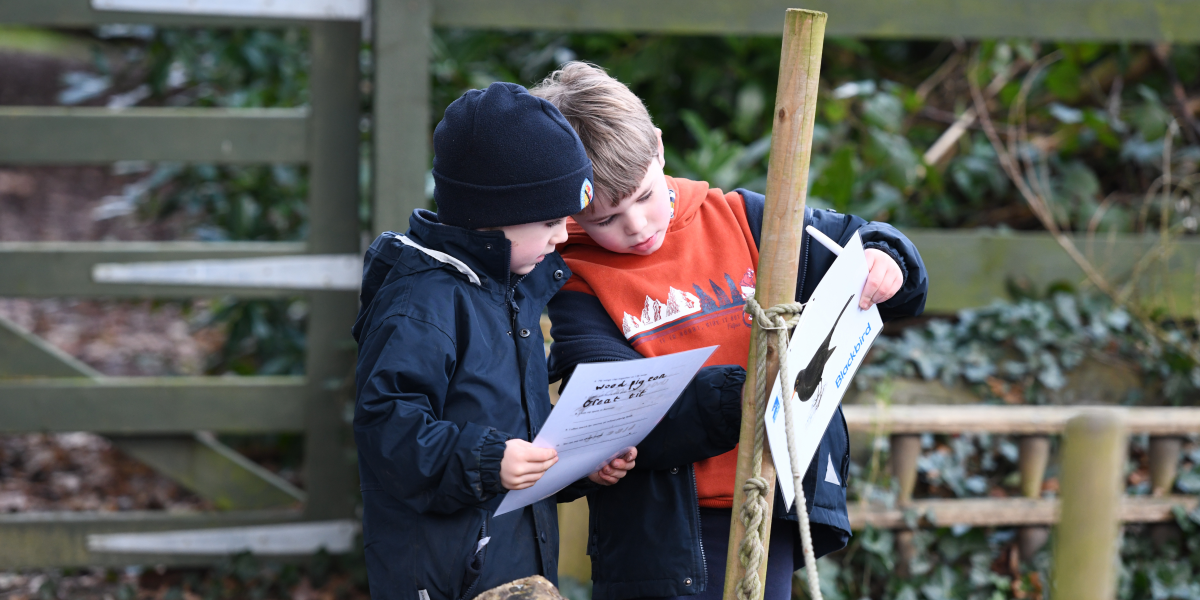
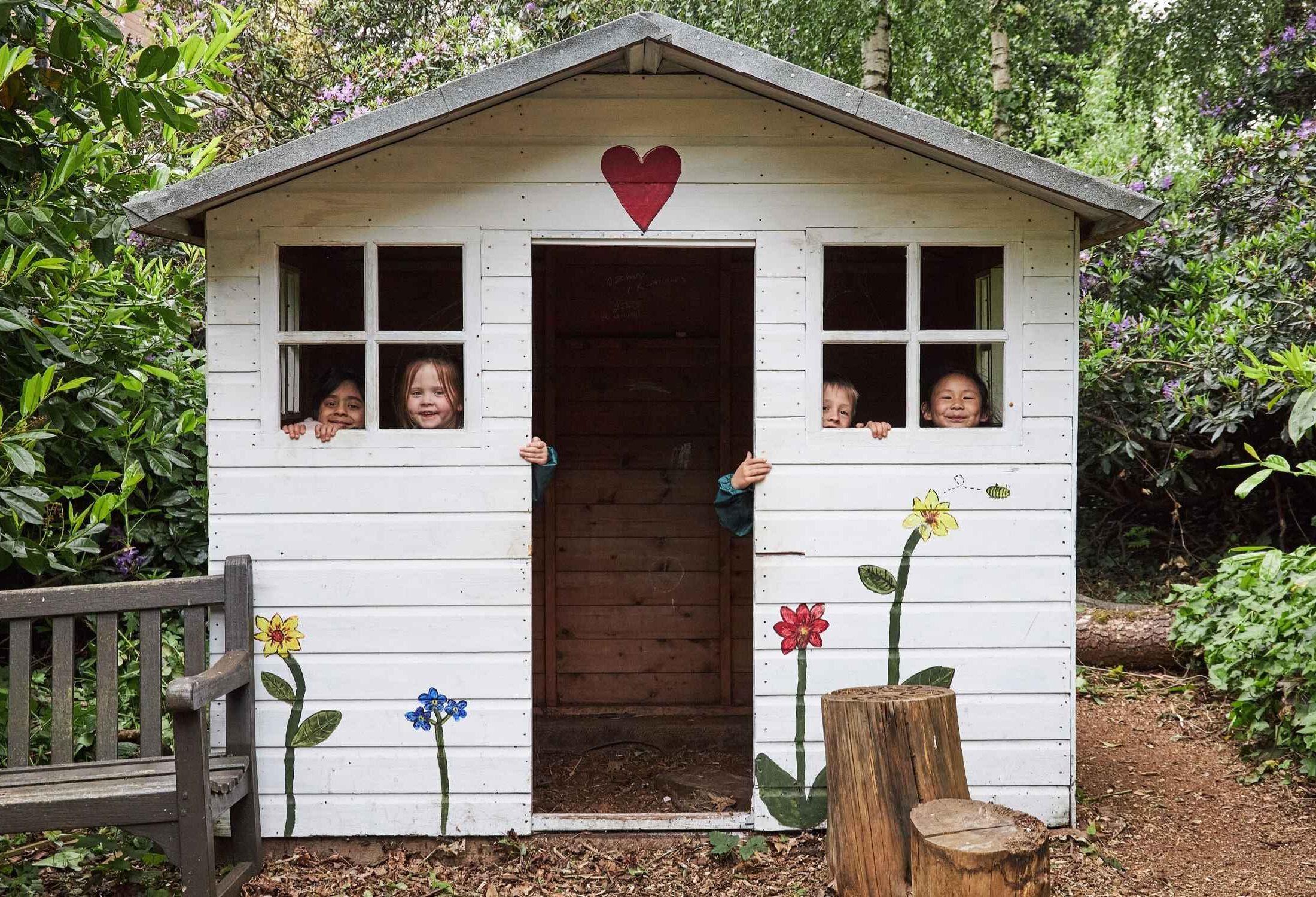
Outdoor and nature-based play offers immense benefits. In Nursery and Forest School sessions at The Blue Coat School Birmingham, children engage in unstructured activities such as water play, climbing and exploring. Through these experiences, children develop:
- Communication and language skills
- Social collaboration and teamwork
- Fine and gross motor skills
- Mathematical thinking, such as measuring, predicting and problem-solving
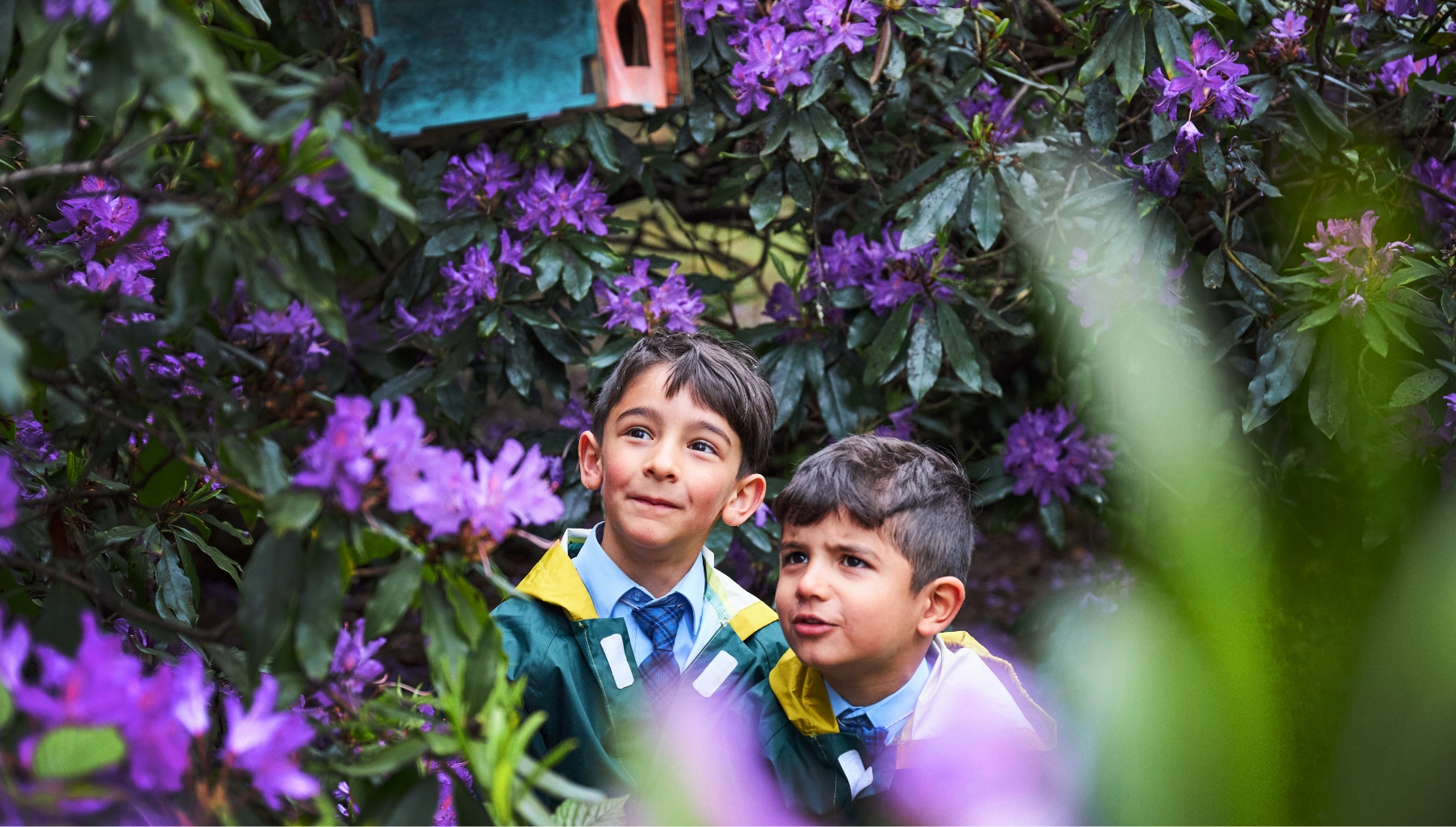
Exposure to nature has also been linked to improved mood, attention, working memory, empathy and cognitive control.

Supporting Outdoor Play at Home
Parents can encourage outdoor play by:
- Visiting parks and green spaces
- Going for walks in nature
- Encouraging climbing, running, jumping and balancing
- Allowing children time to explore freely
These early physical experiences directly support later learning. For example, a child who has mastered pouring during water play in Nursery may confidently apply this skill during a Year 1 mathematics lesson on measuring.
Pretend Play and Imagination
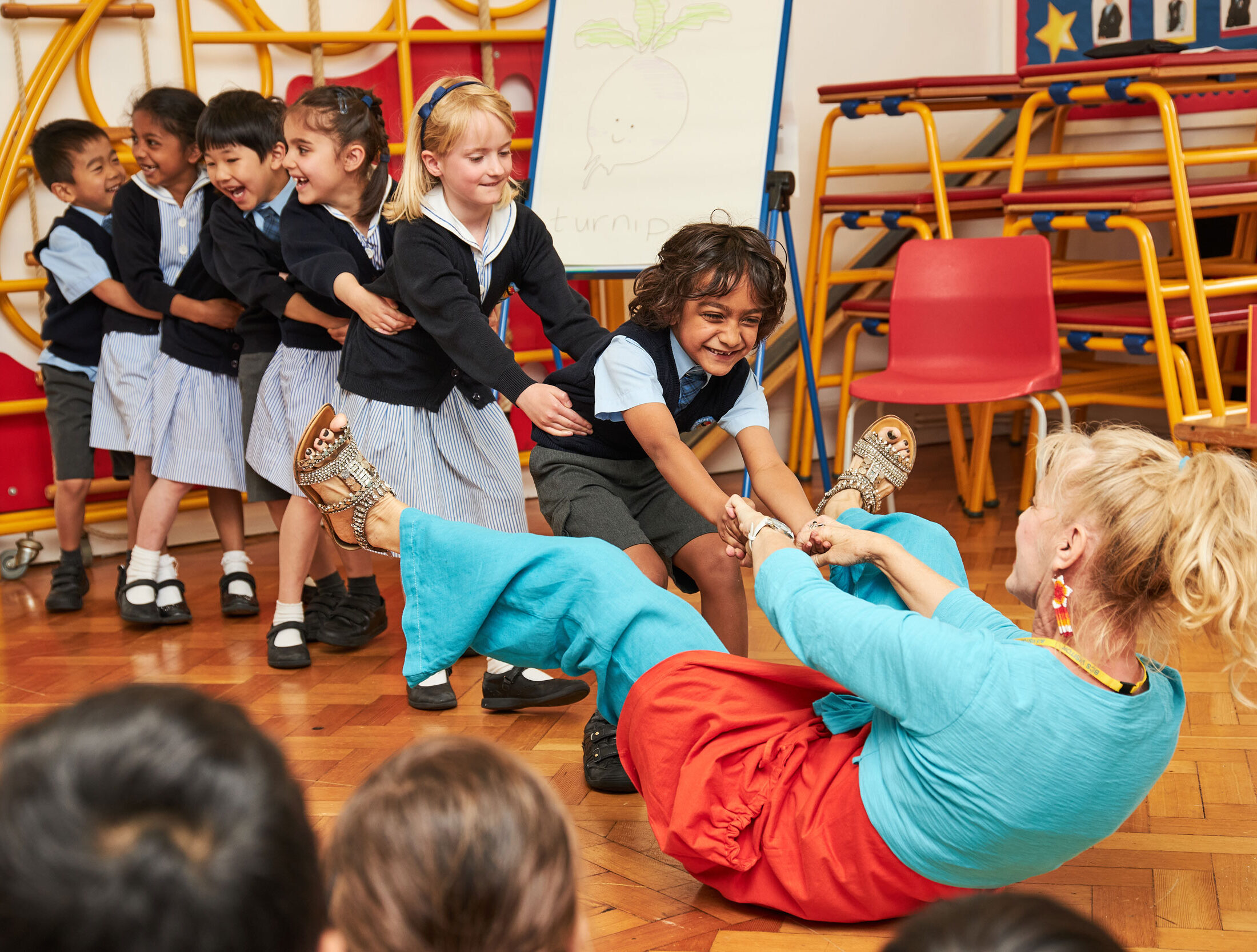
Pretend play is a powerful tool for learning, even if it sometimes feels daunting for adults to join in. Through role play, children:
- Explore different identities and roles
- Develop empathy and social understanding
- Challenge stereotypes, including gender roles
- Use rich language and mathematical vocabulary
Pretend play allows children to make sense of the world around them and prepares them for real-life situations.

Play and Language Development
Play has an integral role in building vocabulary and communication skills. Adults have a key role in enriching language through conversation and shared experiences.
Playful ways to support language at home include:
- Storytelling with props and figurines
- Scavenger hunts using clues or pictures
- Car games such as I Spy or alphabet challenges
- Cooking and baking together, following and later writing instructions
Play naturally encourages conversation, listening and turn-taking, helping children reach important developmental milestones.
The Importance of Play in Cognitive Development
Play strongly supports children’s thinking skills, curiosity and creativity. Activities such as age-appropriate puzzles; board and strategy games and construction and problem-solving tasks all help children develop critical thinking, planning and decision-making skills.
Digital play, such as games like Minecraft, can also support creativity and problem-solving when used appropriately. It is important for parents to stay informed about online safety, set boundaries and ensure children understand how to use technology responsibly.


Why Play Matters for Adults Too
The importance of play is not limited to children. Studies show that adults who engage in playful activities experience reduced stress; improved mood and increased creativity and problem-solving. So next time you need a moment of mindfulness or a boost in wellbeing, consider turning to play. Whether that’s a game, a creative activity or simply joining your child in their imaginative world.
Play is a powerful and essential part of childhood. It supports children’s social, emotional, physical, cognitive and language development, laying strong foundations for lifelong learning and wellbeing.