How important is outdoor learning and play?
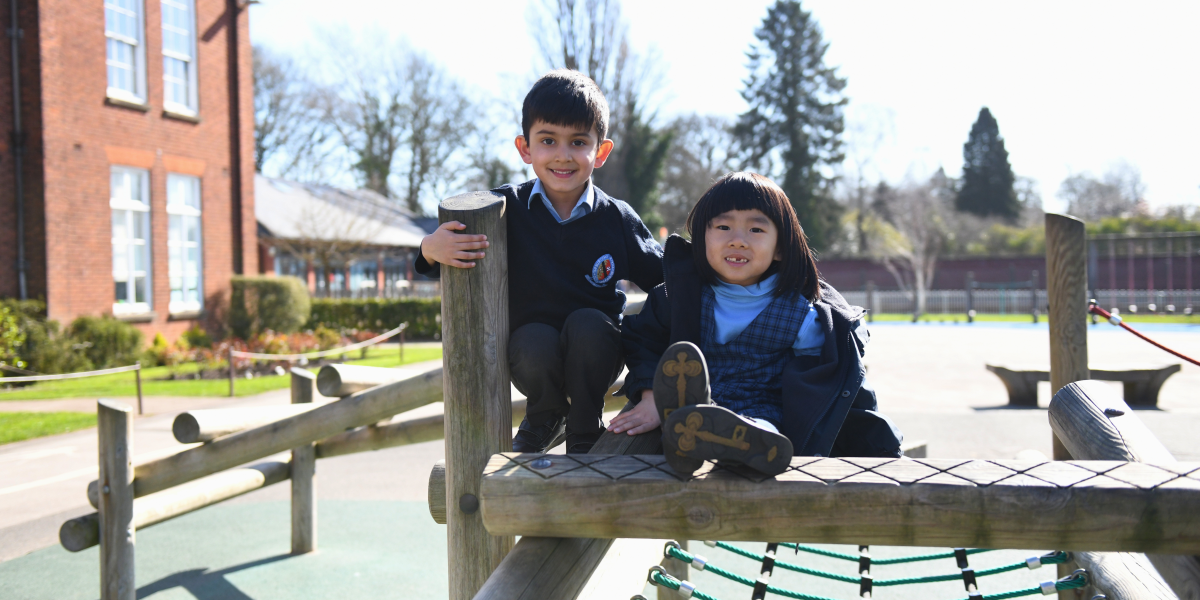
Celebrating Earth Day Through Outdoor Learning and Play
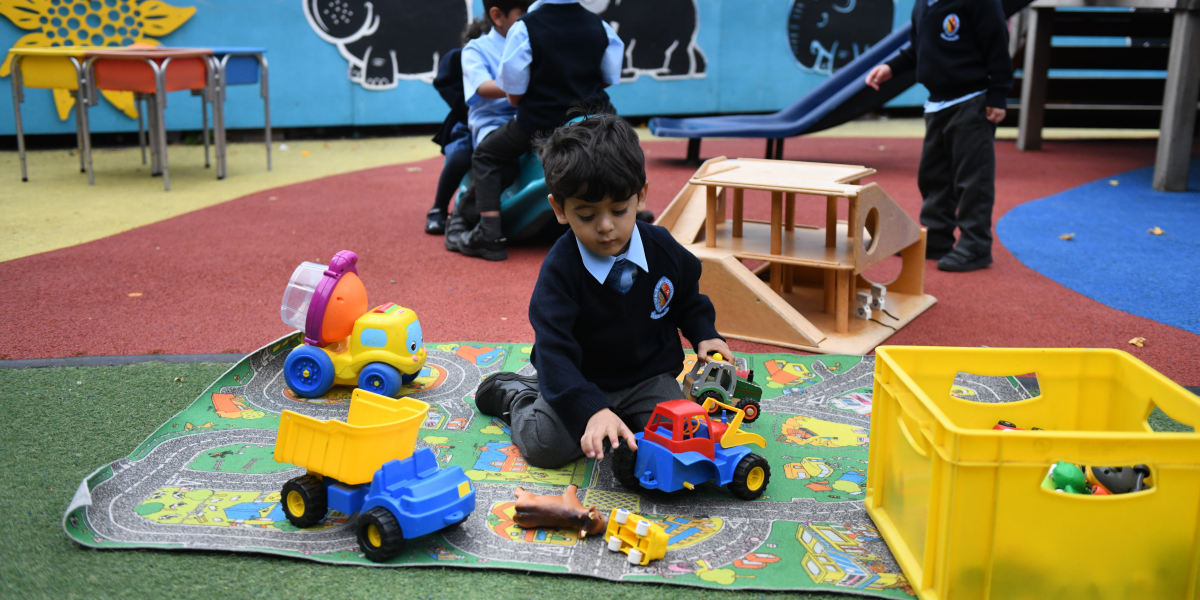
At The Blue Coat School Birmingham, outdoor learning and play is far more than simply spending time outside. It is an important part of how children explore, discover and grow.
From the earliest years of school life, outdoor play gives children the opportunity to use their senses, engage with the natural world and learn in a hands-on, meaningful way. It supports the Characteristics of Effective Learning at the heart of the EYFS: playing and exploring, active learning, and creating and thinking critically.
When children are outdoors, they are free to investigate, imagine, collaborate and problem-solve in ways that feel natural and joyful. Whether they are building, creating, climbing, digging, observing or inventing games together, they are developing social skills, resilience, creativity and confidence alongside their physical development.
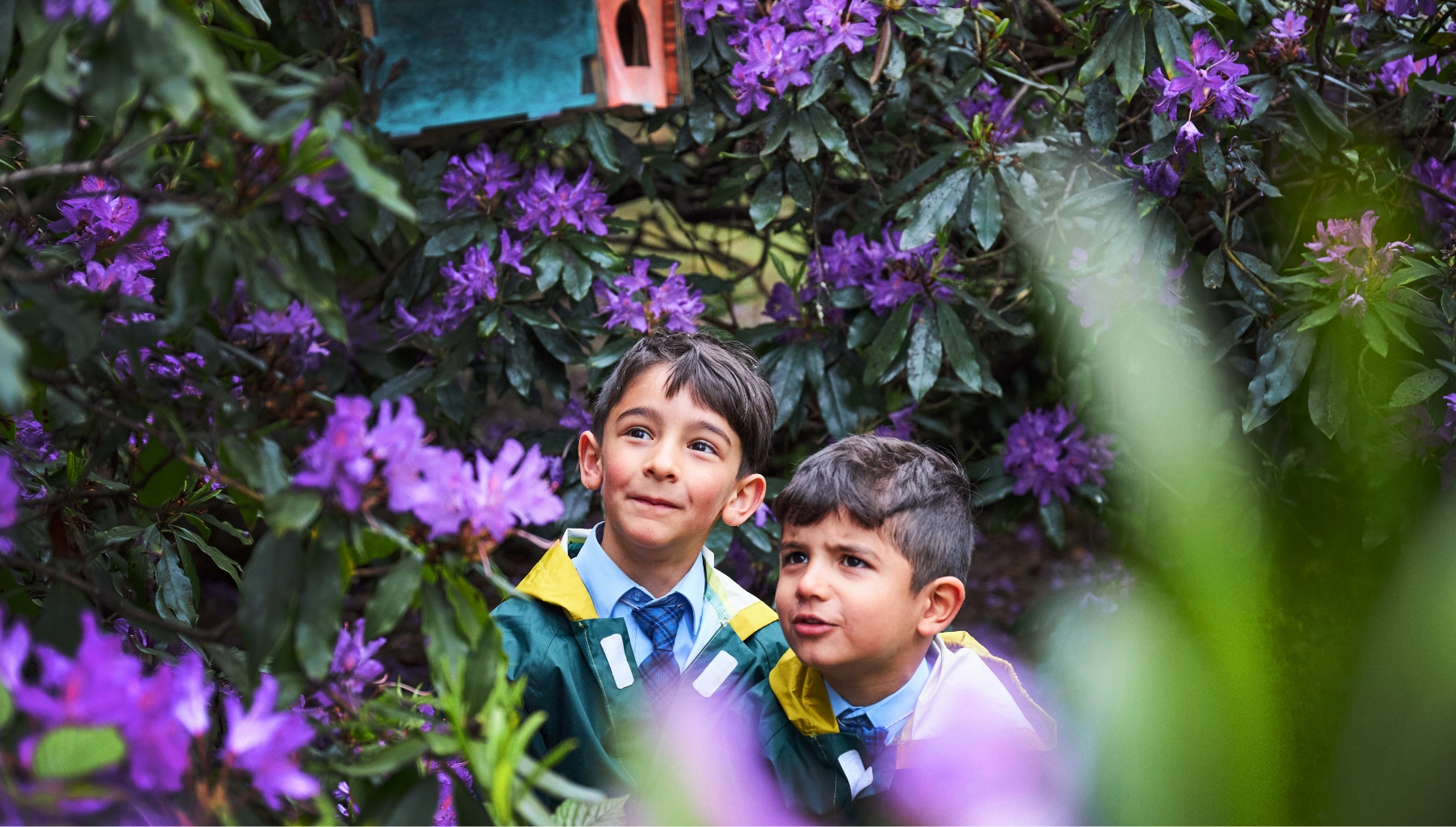

A growing body of research shows that children have better physical, mental and emotional health, and even learning, when they play outdoors.
-Unicef
Why outdoor play matters
The benefits of outdoor play are wide-ranging. Outdoor environments allow children to learn on a larger scale and in a different way from the classroom. They support all areas of learning and development, from communication and language to physical development, imagination and wellbeing to dealing with conflict and solving problems.
In addition, for children with additional learning needs, research from the UNICEF website indicates that children who spend more time in green spaces, such as wooded playgrounds or gardens, exhibit better focus, lower stress levels, and enhanced emotional resilience.
There is also evidence suggesting that time spent outdoors can help improve ADHD symptoms. A study conducted on preschoolers in Norway found that the more time they spent outdoors each day, the less likely they were to display ADHD symptoms.
Being outdoors for children with diagnoses such as ADHD may be linked to the fact that they are not as physically restricted. They can run and experiment with different ways of moving much more easily than when they are indoors.
Forest School at Blue Coat
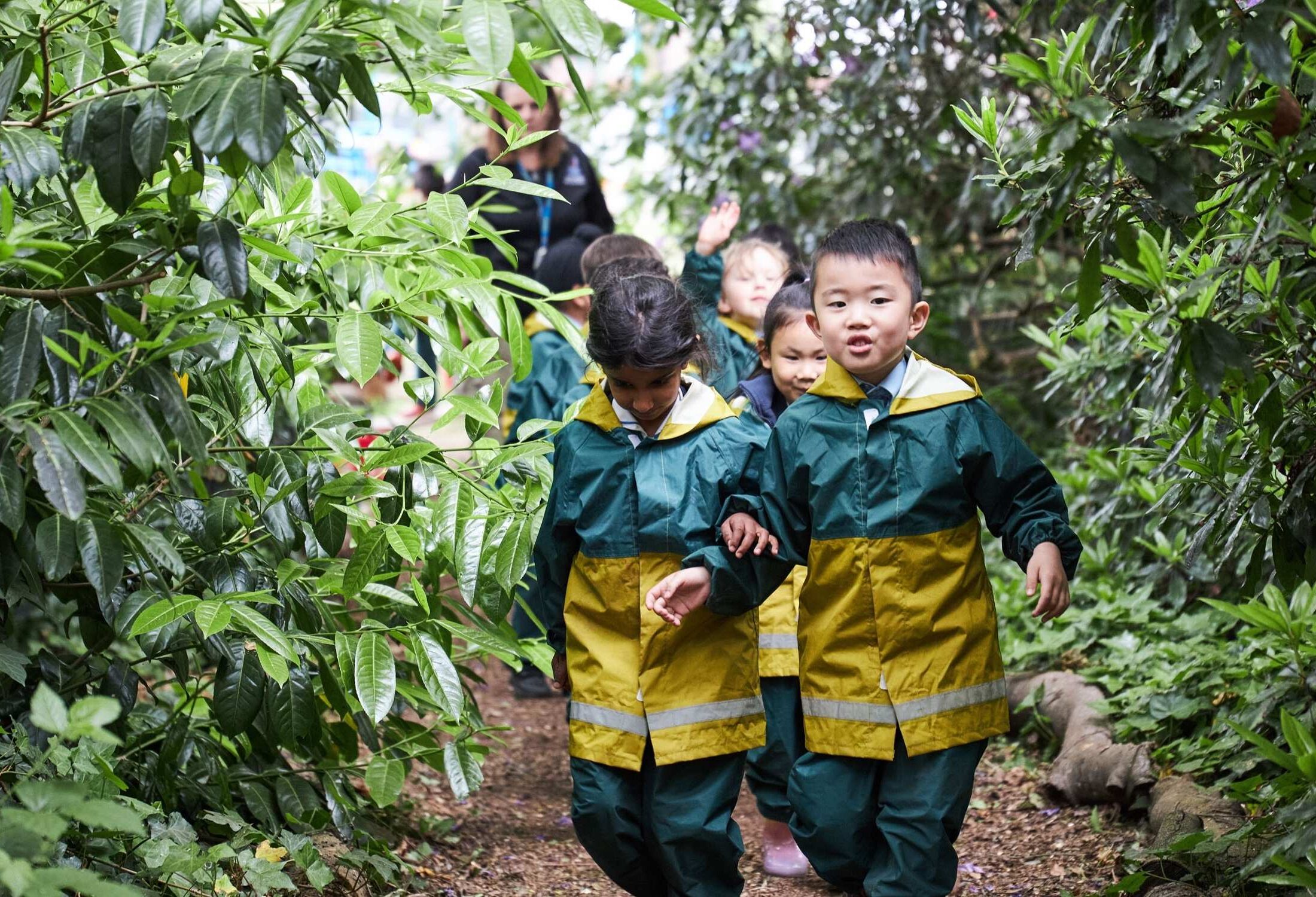
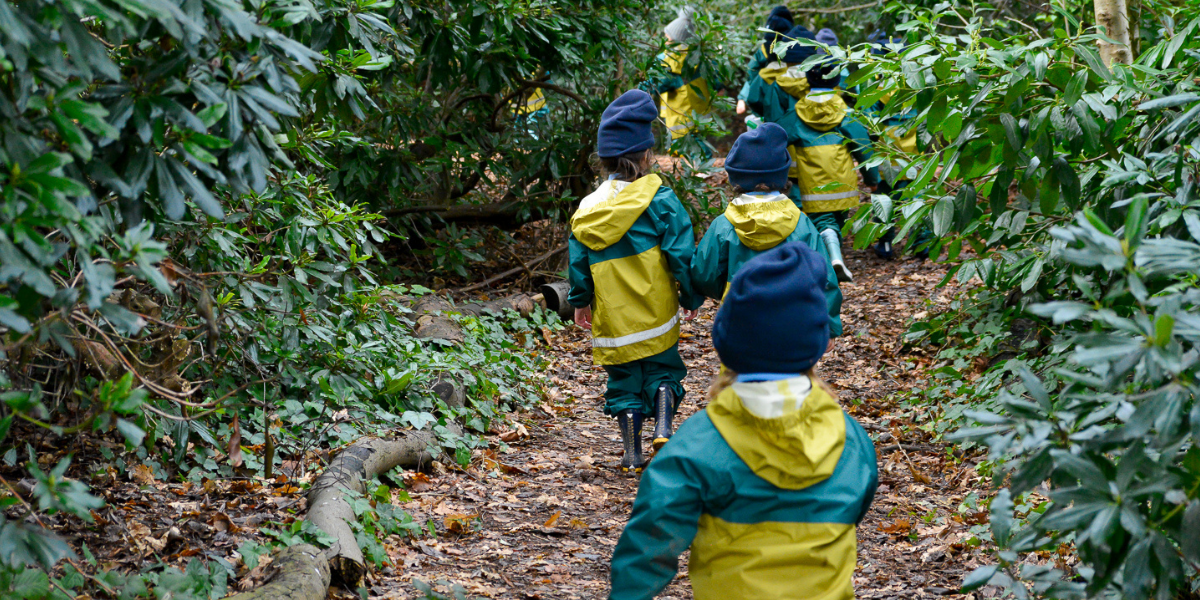
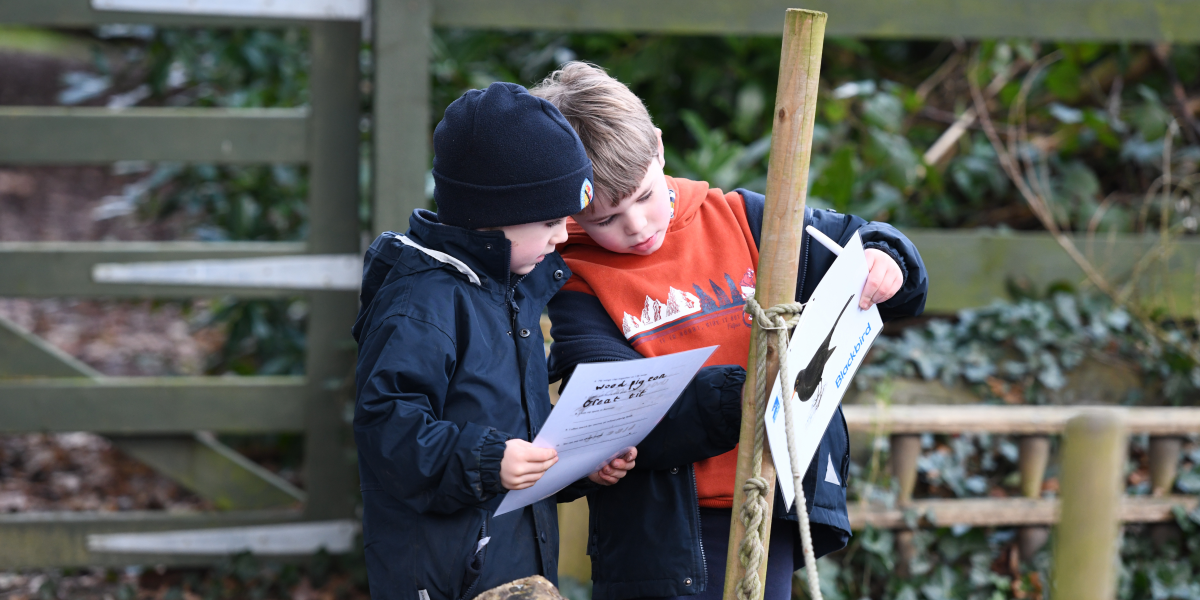
Outdoor learning is brought to life at Blue Coat through our Forest School provision, led by Ms Walker, our Outdoor Education Coordinator.
Forest School has its roots in Scandinavia, inspired by “walking kindergartens” and an open-air approach to childhood. Its philosophy remains centred on a holistic approach to learning, encouraging children to connect with nature, take supported risks and develop through first-hand experiences.
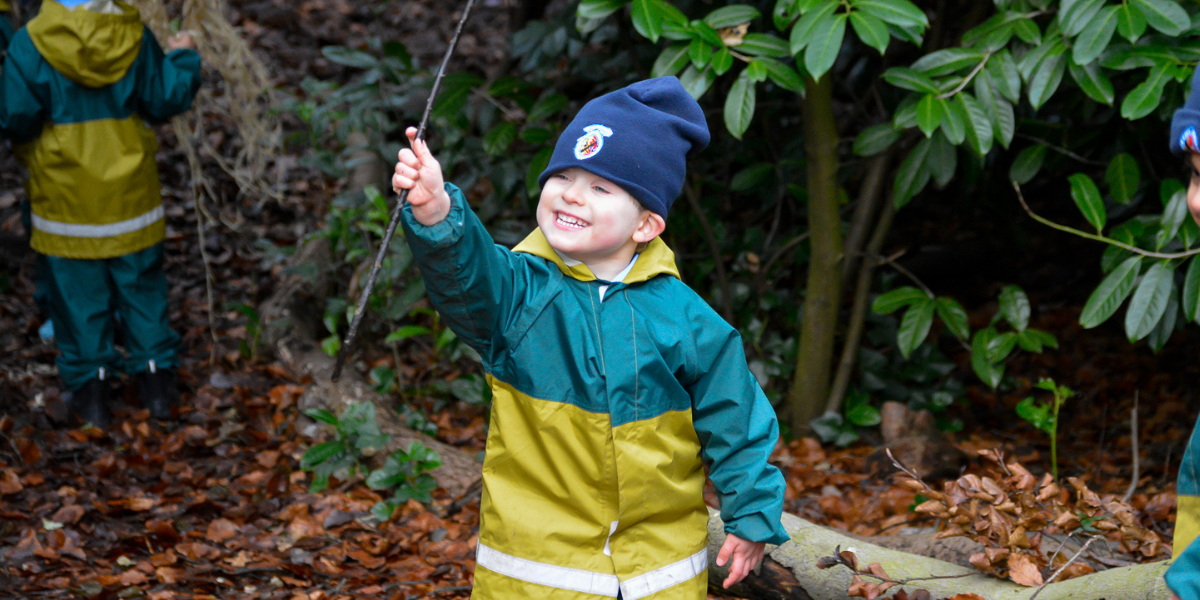
At Blue Coat, Forest School encourages children to build a genuine relationship with the natural world. Nature becomes a vehicle for imaginative play, curiosity and exploration.
Children are encouraged to get muddy, investigate their surroundings and experience the outdoors fully, while learning to manage risk safely and thoughtfully. This might include climbing trees, balancing, exploring unfamiliar terrain or learning to identify plants that may sting or irritate, such as nettles or holly.
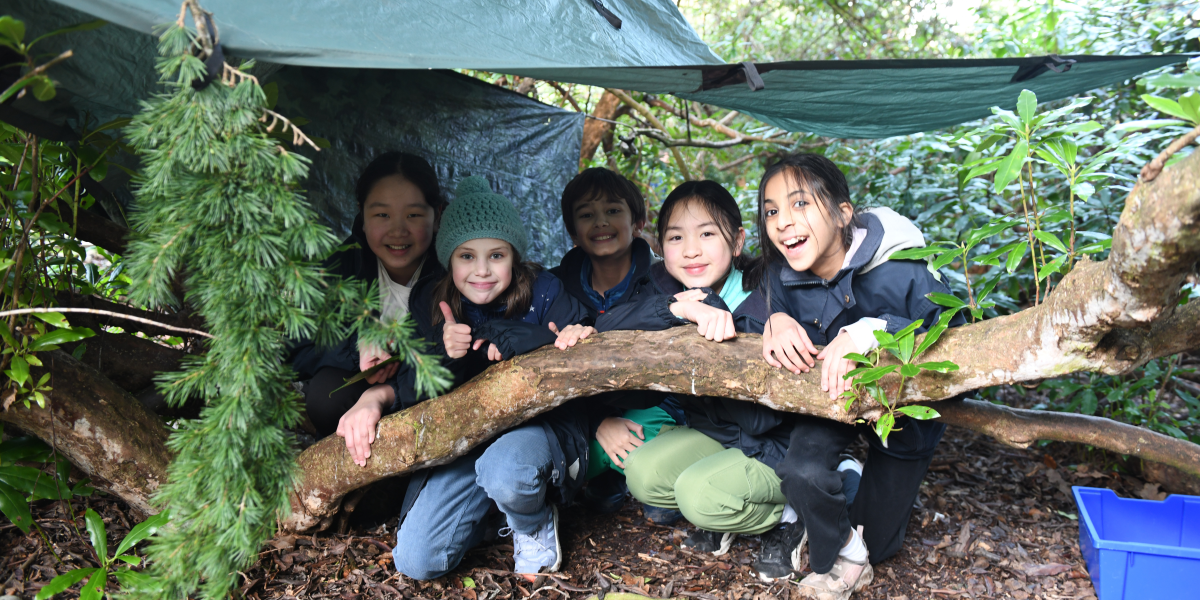
Each session is linked to the curriculum, but always shaped by the natural environment and by children’s own interests. One group may be building tipis for teddies, while another decides to create a home for a fox they have spotted nearby. Reception children might be making a bug hotel, while others busy themselves in the mud kitchen, using natural materials in imaginative and cooperative play.
One of the joys of our approach is that learning happens everywhere. Maths and English can be found throughout nature: counting spots on a ladybird, measuring sticks, comparing sizes, or choosing the perfect word to describe the colour of leaves.
Supporting children’s wellbeing outdoors
Outdoor learning also plays an important role in children’s mental health and wellbeing. Ms Walker is currently studying for an Outdoor Mental Health Practitioner qualification, having seen first-hand the positive impact being outdoors can have on children.
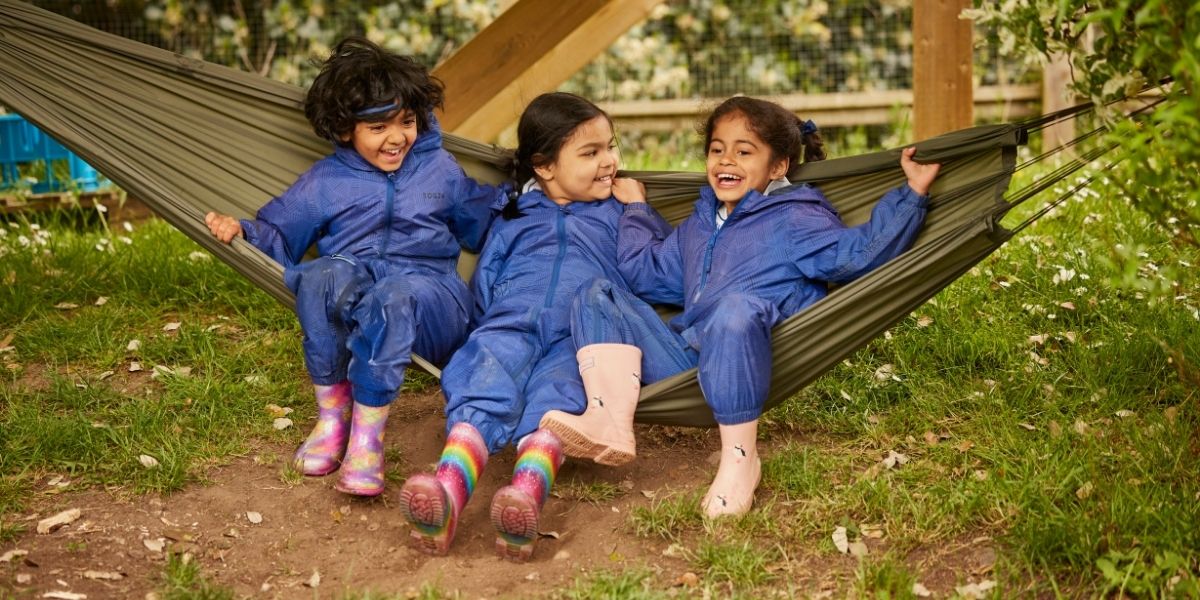
What may look like simple play often serves a much deeper purpose. Mud play is sensory, soothing and imaginative. A hammock can help regulate movement and provide comfort. Activities such as breathing exercises, foot stomping and forest bathing are all woven into sessions to support children’s emotional wellbeing and self-regulation.
Building Healthy, Active Lifestyles
One of the most obvious benefits of outdoor play is that it encourages children to be physically active. Whether riding trikes, playing catch, balancing, climbing or simply running freely, children are strengthening their bodies while also developing important social skills such as turn-taking, negotiation and cooperation.
These moments of play help children build healthy habits from an early age. Just as importantly, they show that physical development, social development and enjoyment can all happen at the same time.
Overcoming barriers to outdoor play
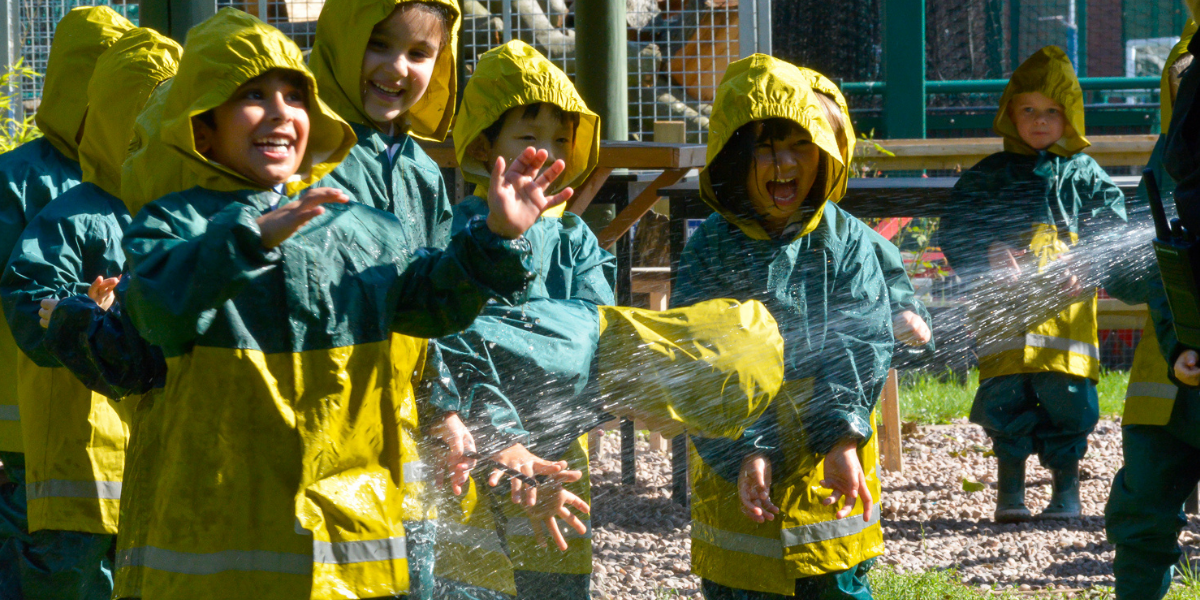
There are, of course, many perceived barriers to children getting the outdoor play they need. As adults, we can sometimes unintentionally see free outdoor play as less valuable than academic activities or organised sports. Concerns about weather, mess or discomfort can also get in the way.
Yet with the right clothing and a willingness to embrace a little mud, these need not be barriers at all. In some Scandinavian countries, children spend the majority of their day outdoors. Their example reminds us that outdoor play is not an optional extra, but a valuable and enriching part of childhood.
Encouraging outdoor play at home
Outdoor play at home does not need to be complicated. It can be as simple as exploring nature in the garden, making natural art, playing hide and seek, throwing and catching a ball, or simply spending time noticing the world around us.
Small changes to daily routines can make a real difference. Choosing to walk, visit a park, look for insects, build with sticks or enjoy unstructured time outside all help children reconnect with nature and benefit from the freedom and joy of outdoor play.
Appreciating the world around us
As we mark Earth Day 2026, it feels especially fitting to reflect on the value of outdoor learning and play. Spending time outdoors helps children not only to develop physically, socially and emotionally, but also to appreciate the world they are growing up in.
What better way to celebrate the Earth than by stepping outside, exploring nature and taking time to enjoy what is right before our eyes?