5 Essential Life Skills that School Teaches Children
A key aim of primary education is to prepare pupils for life beyond the classroom, to develop their personalities as well as their academic abilities. At Blue Coat, we give our pupils the best opportunity to grow through a range of daily practices. Here are five essential life skills we teach our pupils:
confidence
Developing confidence at a young age has many benefits; it leads to success both inside and outside the classroom. Teaching a child to believe in themselves and their abilities gives them the tools to overcome challenges, problem solve through mistakes and choose the path to success.
From Pre-Prep, our pupils are supported in their learning by our dedicated teachers. They are given the space to make mistakes and learn from them in a constructive and productive way. They are encouraged to share their ideas and to keep persevering, even when the problem feels overwhelming.
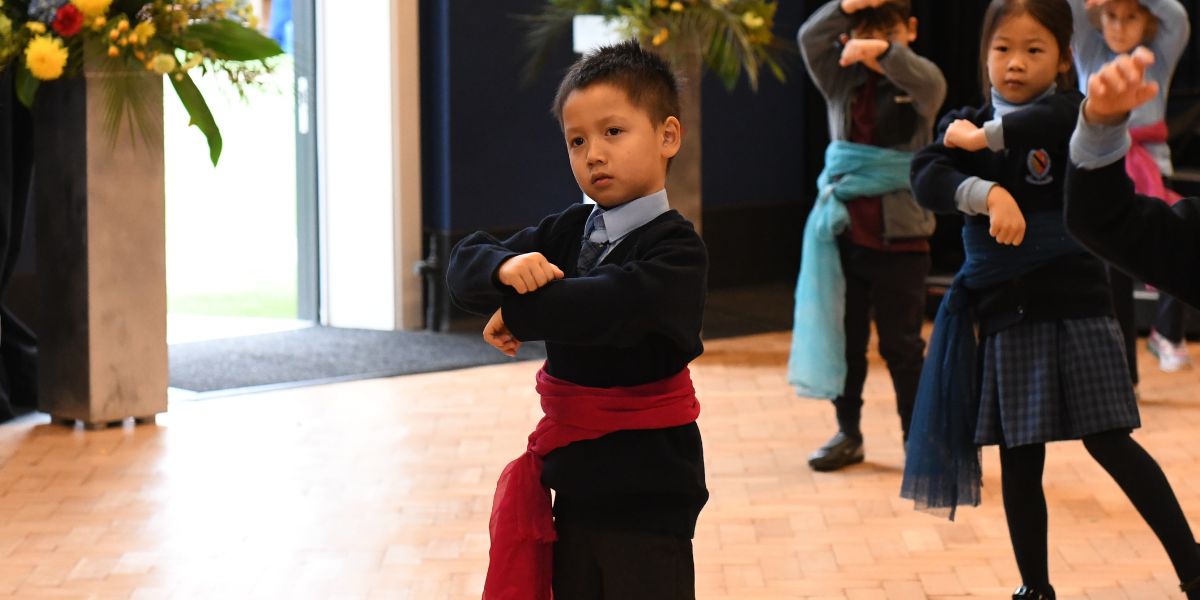
They are also given opportunities to perform in front peers and family members. Pupils as young as age three participate in Chapel services and assemblies. Individual music lessons further develop their confidence with the Music Department hosting recitals every term.
From Year 3, in weekly Chapel services, pupils are given the opportunity to stand at the lectern and say a prayer. In Years 4 and 6, the West End comes to BCS as pupils stage their own productions.
Like anything, confidence does not come naturally to everyone and it is a skill many of our pupils continue to develop every day.
communication & social skills
By the time our youngest pupils arrive at school, they are already beginning to communicate their wants and needs more effectively. The Nursery curriculum shapes their naturally curious minds and begins work on phonic sounds and vocabulary. But how do we continue to develop communication and social skills across the rest of the school?
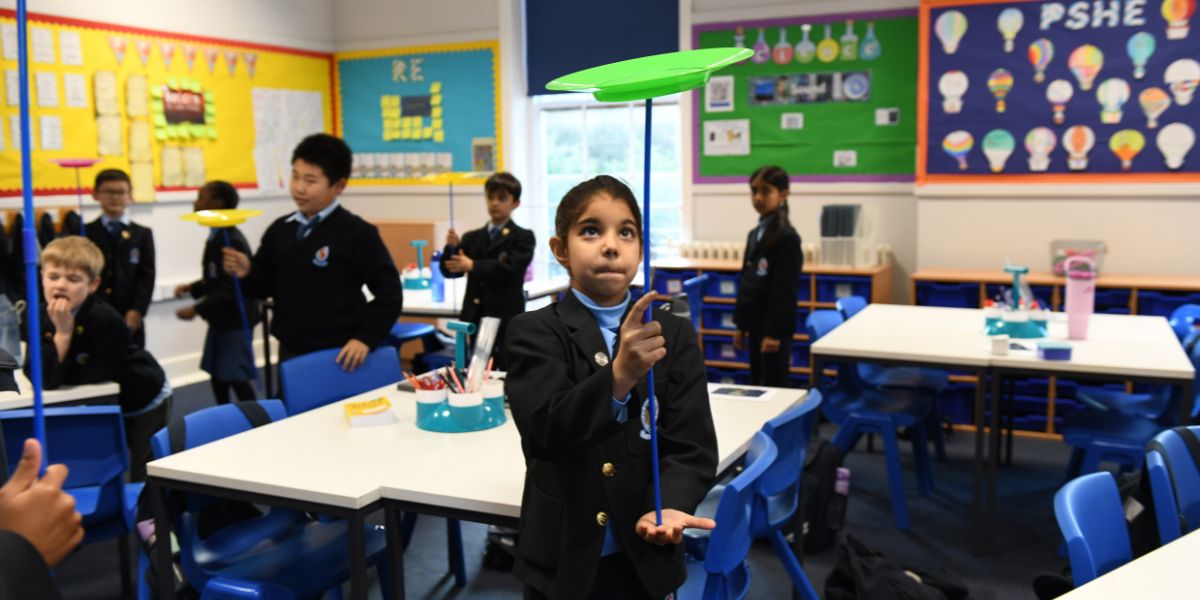
In day-to-day lessons, pupils will take part in pair or group activities where they work together to complete tasks. Groups are often chosen at random, ensuring pupils are working with a wide range of classmates. This allows the teacher to observe and provide support to pupils who require more development.
For pupils in Year 2 and Prep, there is an opportunity to complete a project on a topic of their choice as part of the English Speaking Board assessments. They spend time with their tutors practicing and refining their presentations, ensuring their key ideas are communicated clearly and confidently.
As with our focus on confidence building, pupils are given many opportunities to speak in front of audiences through class assemblies and charity day presentations. They practice their speeches and are taught how to make their words come to life.
respect for others
One of our Blue Coat Values is to Show Respect to Others and it is a crucial part of our pupils’ development. Our world has a rich blend of religions, cultures and lifestyles; through our Blue Coat Values, we aim to instil a genuine respect for others and a curiosity about our differences.
Through PSHE and RE lessons, pupils learn about a wide range of religions, cultures and other family dynamics. In addition, some year groups take part in Enrichment Days to explore different cultures in depth. For example, we hold an annual Diwali Enrichment Day, where pupils from Year 1 – Year 6 learn about Bollywood dance and its cultural significance in India.
Our School Chaplain, Father Andrew, incorporates beliefs from a wide range of religions including Sikh and Islamic beliefs, as well as other world traditions, into his services, further promoting respect and understanding.
Our anti-bullying policy, which is upheld firmly, encourages pupils to lead with kindness and to support their peers and local community.
how to look after themselves & others
An important life skill that shapes adult life is learning how to care for yourself and those around you. As in any school, minor accidents can happen during break times and lunchtimes. Our pupils are encouraged to seeking support from the School Matron independently.
This sense of responsibility extends to their peers. In many situations, pupils support one another through kind words and thoughtful actions, as well as helping each other to reach the Medical Centre for assistance.
In addition, our Pastoral Team works closely with pupils on a one-to-one basis to develop emotional independence. Across the school, we have three dedicated wellbeing spaces: The Lighthouse, The Snug, and a separate room for Nursery children. These spaces provide opportunities for pupils to share their thoughts and feelings or to take time out when needed.
Each classroom also has a Worry Monster, which pupils can use to share any concerns. They can write their worries down and post them into the Worry Monster. At the end of each day, teachers review these and offer support where appropriate.
Teaching pupils to recognise and express their emotions is a vital part of learning how to care for themselves.
responsibility
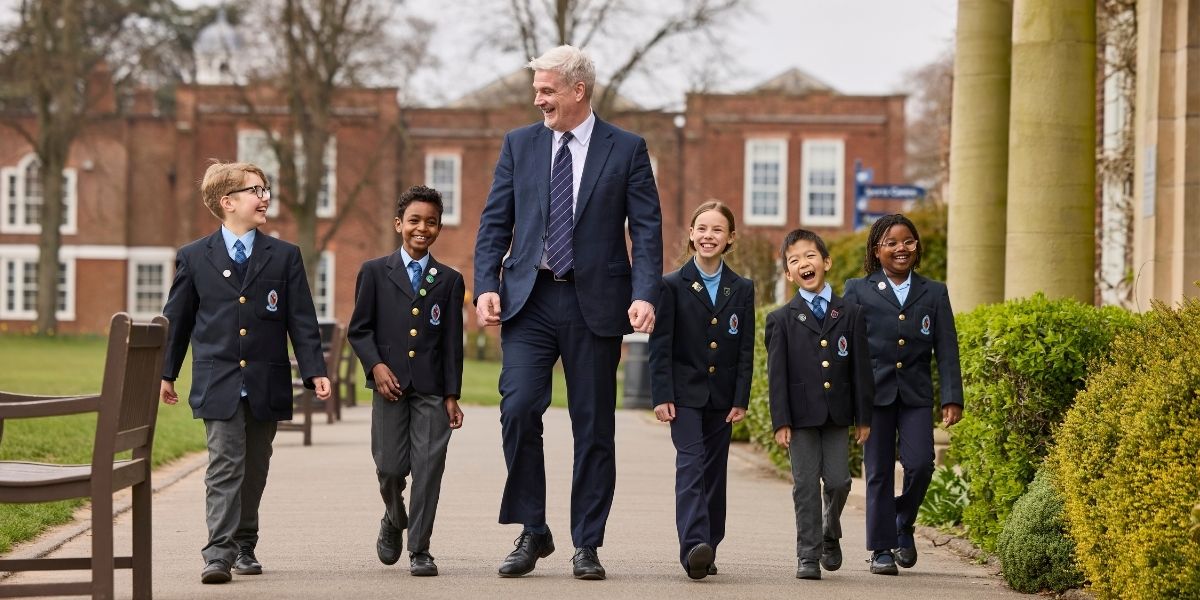
Teaching responsibility from a young age prepares our pupils for their transition to senior school, where expectations are higher. At BCS, we take great pride in our uniform, and from Nursery through to Year 6, pupils are encouraged to wear it with care and pride. They understand that how they present themselves reflects both their own standards and those of the school. Their uniform is their responsibility, not just how they wear it but also how they look after it.
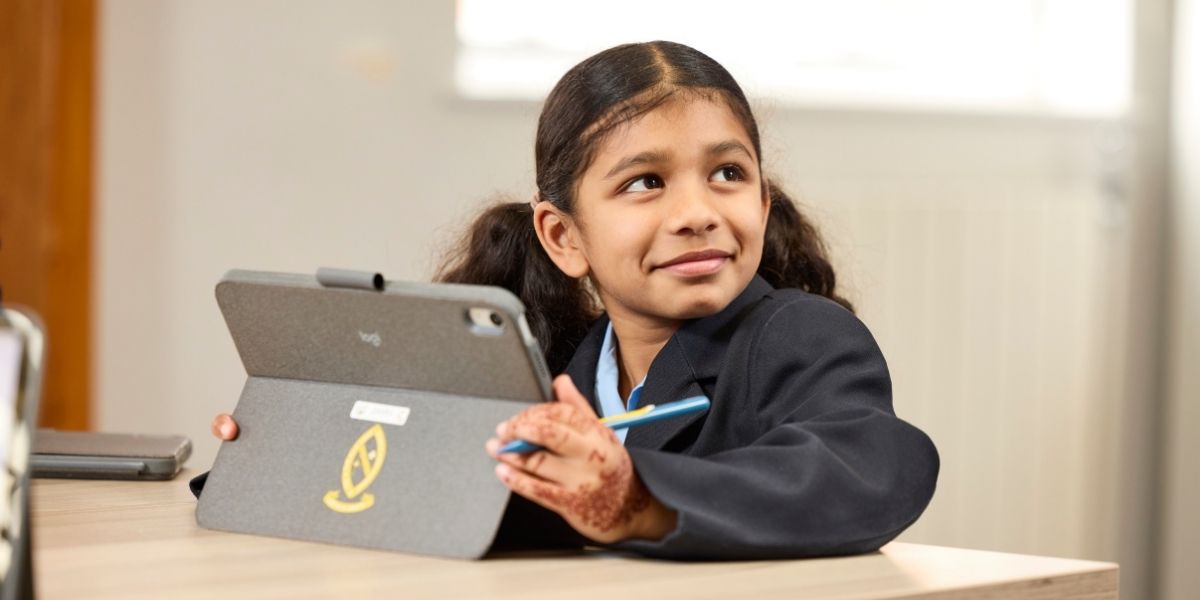
From Year 3, our iPad scheme begins, with every pupil provided with an iPad, case, pen and keyboard. Pupils are responsible for taking their devices home each day, ensuring they are charged and ready for the next day of learning.
In Years 5 and 6, pupils are also encouraged to move independently to their specialised lessons, further developing their organisation and timekeeping skills.
One of our newer initiatives that strengthens pupils’ sense of responsibility is the Mini and Junior Blue Awards. Linked to our BCS Blue, these awards provide opportunities for pupils to develop practical and essential life skills at home and in the wider world. Examples include first aid, cooking and baking, cleaning, walking challenges and leadership activities.
The more categories pupils take part in, the more skills they develop, helping them to become increasingly responsible both in and outside of school.